Career Conversations - Emma Cosman
Can you tell us about your co-op experiences?
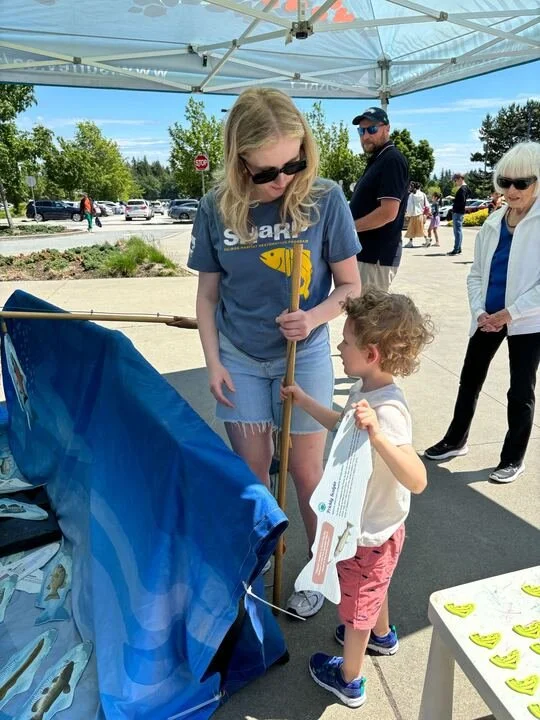
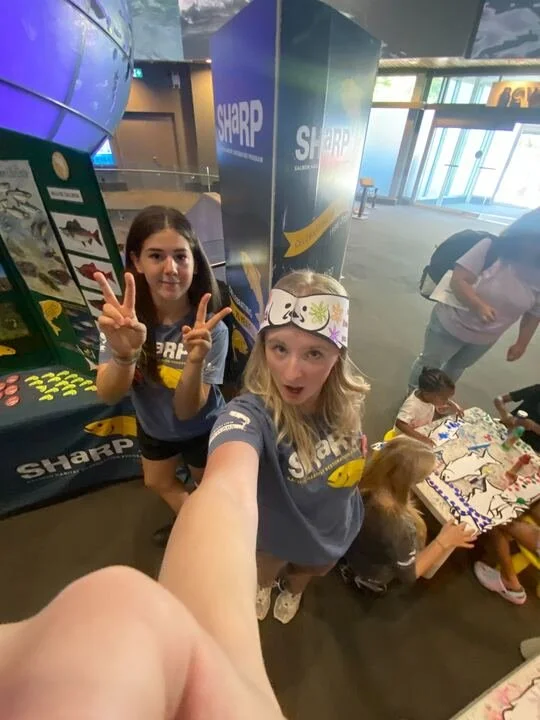
My first of three co-op’s was with SHaRP, which stands for the salmon habitat and restoration program based in Surrey. I worked primarily with the public relations and media team, running community events across the city such as camps, school visits, and festivals, such as Fusion Fest. As my first co-op this role was a great, gradual introduction to a professional workplace, my team was amazing and I got to know them all quite well. While working for SHaRP I didn’t just learn things pertaining to my work, I spent a lot of time learning about the salmon industry. One of the most meaningful aspects of this co-op in particular was being involved and getting hands-on experience with people who are deeply passionate about their work.
During my second co-op, I worked with BC Wood, a non-profit organization promoting industry standards and advocating for British Columbia’s value added wood products sector. I worked as a communications assistant, supporting the events and planning team. One of the biggest projects I took part in was the Global Buyers Mission, Canada’s biggest trade and networking event for the industry. Planning our part in this event alongside my team was highly rewarding and I learned a lot of valuable skills.
My last co-op was the most challenging for me but nonetheless still a rewarding experience that I learnt a lot from. I worked with Larra Balance Media Group as a public relations intern, organizing public relations plans, ensuring that our clients were meeting their goals.
What were some key takeaways from your co-op experience?
One of the biggest pieces of advice I can give is to ask the questions you’re afraid to ask! Most of the mistakes I made during my co-op’s were a result of me being too nervous to ask for help. Co-op’s are designed for learning and gaining experience, so it’s important to take full advantage of every opportunity to learn from others.
During my second co-op, I had access to several Adobe programs, which I was really interested in learning more about. I knew it was the perfect opportunity, but I was nervous about asking my team for training because I didn’t want to ask a “stupid” question. I decided to push past that fear, and as a result, I received training in an area I’m genuinely interested in and can now apply those skills to future projects.

What was one challenge you faced during your co-op experience, and how did you overcome it?
A huge part of SHaRP’s community initiatives involved hosting educational events at local elementary schools. I don’t think I’ll ever be able to forget the time that my team and I forgot one entirely! Sounds pretty bad and it was, but how we chose to move forward made all the difference. Initially we panicked and thought that there was no way to recover. However, this experience has taught me that when big mistakes happen, it’s important to be honest, rather than try to cover it up. Taking accountability allows you to learn from the situation and move forward in a productive way.
We began by contacting the school, taking personal responsibility for the mistake and offering an alternative solution. From there, we had to make some much needed improvements to how we communicated as a team. We implemented a more structured communication system, a clearer shared calendar, and made a point of regularly checking in with one another about upcoming events, ideas, and important dates.
How did your co-op experience contribute to your skill development and influence your current career path?
Reflecting on my journey through all three co-op terms, I’m grateful for how important these experiences were in shaping my career goals. My time in co-op showed me what positions are best suited for me and what I value in a workplace. I’ve learnt that I thrive while working with others, and enjoy collaborating face to face, so remote work isn’t ideal for me.. I also developed a wide range of skills through hands-on experience.
Co-op’s are not just about building a resume, they’re also an opportunity for you to learn more about yourself and gain clarity on what you’re looking for in a future career.
What was your co-op job search experience like?
I was very lucky that my co-op job search wasn’t extremely difficult, though I recognize that this isn’t the case for most people today. I received many interviews but often didn’t move on to the next stage, which was really discouraging. However, reframing interviews as learning experiences in themselves helped shift my outlook on the job search. With each interview, I became more confident and better prepared. It’s important to remember that securing a co-op position takes time, so allowing yourself that time to search and apply is essential. With patience and persistence, you will eventually find a position that is worth waiting for.
What strategies did you find more helpful during your job search?
Setting an application goal every week was one of the best things I did to stay on top of my goals. Scheduling time to apply to jobs, and physically marking it in my calendar kept me on track and prevented me from pushing it off.
Having a tailored resume and cover letter was also one of the most impactful things I did. When I applied for a position, it often took me about an hour because I took the time to understand the role and research the company. Focusing my cover letter on the company’s mission and what skills I had that aligned with what they were specifically looking for. Taking the time to do this for each application is what helped me stand out from others. My motto was simple: never send a neutral application.
What activities/involvements outside of academics do you feel were helpful in securing your co-op?
I joined the Communication Student Union (CMNSU) after my first co-op but when interviewing for my second and third, it was something interviewers would always ask about. To me CMNSU is most about skill improvement, running events, brainstorming, and working in a team. SFU also has many short term volunteering positions that are great for resume and experience building. I’ve written for the peak and the School of Communications collective blog, including a piece about the Barbie movie which I’ve been able to add to my portfolio of work.
Commitment to growing your skillset beyond the classroom is super important and one of the best things you can do to boost your resume. There are tons of amazing opportunities for that across SFU.
Did you deal with any rejection during your co-op experience? If so, what advice would you give to help others overcome it?
Rejection sucks but it’s a completely normal part of life. I’ve learnt that if you take it personally, you will get discouraged and it’ll inevitably hold you back. Most of the time it’s less about you and more about the company's specific wants and needs for the role, so don’t beat yourself up about it. Continue to be persistent post rejection because with time the right fit will find you.
What advice would you give to undergraduate students, especially those just starting university and considering co-op in the future? I find that especially in communications it’s easy to feel lost on what path to go down, co-op is where I found those answers. Throughout all three of my co-op terms I’ve learnt what roles and environments I thrive in and which ones I don’t. Gaining experience beyond the classroom has been one of the best things I’ve done to set myself up for success and I couldn’t recommend it enough!
Don’t hesitate to reach out to a co-op advisor to learn more about the opportunities within the co-op program.