
Art as Sustenance
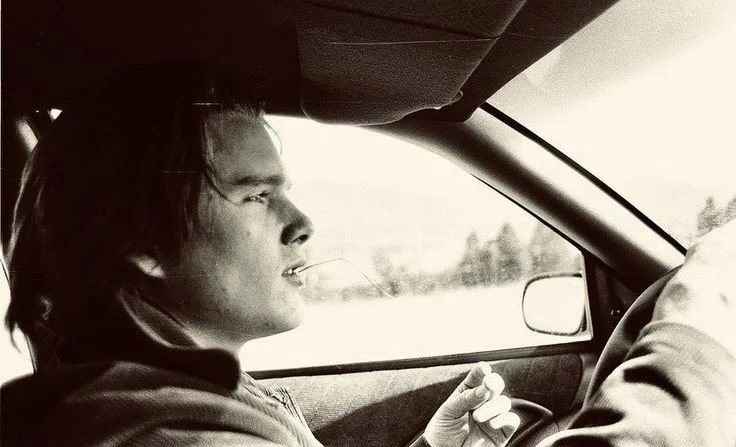
I recently stumbled across a TED Talk video of actor/author Ethan Hawke discussing the topic of human creativity, and it urged me to share some thoughts. The video was released over five years ago, and it discusses the importance of human creativity, expression, and the importance of individuality. The topic of human creativity and creative exploration has been discussed countless times, but as the rise of social and digital media expands, the embarrassment of trying new things has convinced people that creativity lies solely in physical or artistic experiences.
My personal experiences surrounding creativity and imagination have been complicated in the past due to my inherently analytical personality. Recently, I’ve been contemplating and reconsidering the ways in which I express my creativity, leaning into reading and analysis rather than pressuring myself to become some expert painter or experienced dancer. This shift has led me to question many of society’s views surrounding human creativity, specifically since engaging with Ethan Hawke’s discussion.
Art is connected to passion, so why have the parameters of “creativity” become so specified? In fact, why are there parameters at all?
Creativity is fueled by interest and passion.
In his video, Hawke discusses how experiences have the ability to connect us, noting how unique personal experiences are never quite as singular as they seem. Creativity, while often expressed in unique ways, also has the ability to connect us to those around us. For example, many dislike reading poetry, going to the cinema, or listening to mainstream artists with relatable experiences. The idea of consuming this media is not always enjoyable, but I would argue that it is irreplaceable. When one experiences loss or conversely falls in love, they often turn to art in order to make sense of emotion, to connect and relate to experiences in hopes that another person has felt similarly.
Hawke adds that at this point, “art is not a luxury, it is actually sustenance.” To express ourselves and to help one another is a form of creativity. In other words, the ability to connect with others is what nurtures creativity. Choosing a profession that you love is an expression of creativity, cooking your favourite meal is a form of creativity, and even the art of remembering is considered creativity. While producing a work of physical art can nurture a certain form of creativity, human expression and love can be just as expressive.
Hawke continues discussing society’s pressured value of quality and goodness, suggesting that merit is the enemy of creativity. This view is evident in today’s society with many striving for greatness or acceptability in fields rather than focusing on simply expressing themselves. Focusing on the merit of activities that explore human expression rather than the full expression of one’s self is the primary enemy of creativity. While this view may not apply to all situations, it is evident in artistic industries like fashion, music, and film, that greatness is expected rather than rewarded. Hawke chalks this down to the pull of habit, suggesting that rather than living our lives to the fullest and exploring our passions, we tend to focus on the quality or usefulness of our additions. Even in everyday life, most people will choose to take the logical and safe approach rather than the embarrassing one.
Ethan Hawke suggests asking yourself, “Do you think human creativity matters?”
In order to nurture your own human creativity, you have to be willing to play the fool. You need to follow your love rather than a predetermined path, and be willing to embarrass yourself for the sake of human expression. Rather than reading a book you should read, read the book you want to read. Instead of ordering the food you should eat, order the food you truly want. Hawke suggests you meet new people, try new things, and embarrass yourself. Feeling foolish is the only way to truly know and express yourself, because there is no path other than the one that you create. Passion is felt, and passion must be expressed through embarrassment.
Finally, Hawke adds how physical beauty and emotional expression are comparable, suggesting that society is here in order to connect and help one another. In order to express ourselves, we must know ourselves. He discussed his worries surrounding how creativity is seen as just nice, even belittled. He insists that creativity is vital. The way we heal each other through storytelling is an exchange of creativity, and therefore creativity is sustenance. Witnessing each other's common humanity through art and passion is sustenance.
Click here to watch his full TED Talk!