Career Conversations - Cheska Mercurio
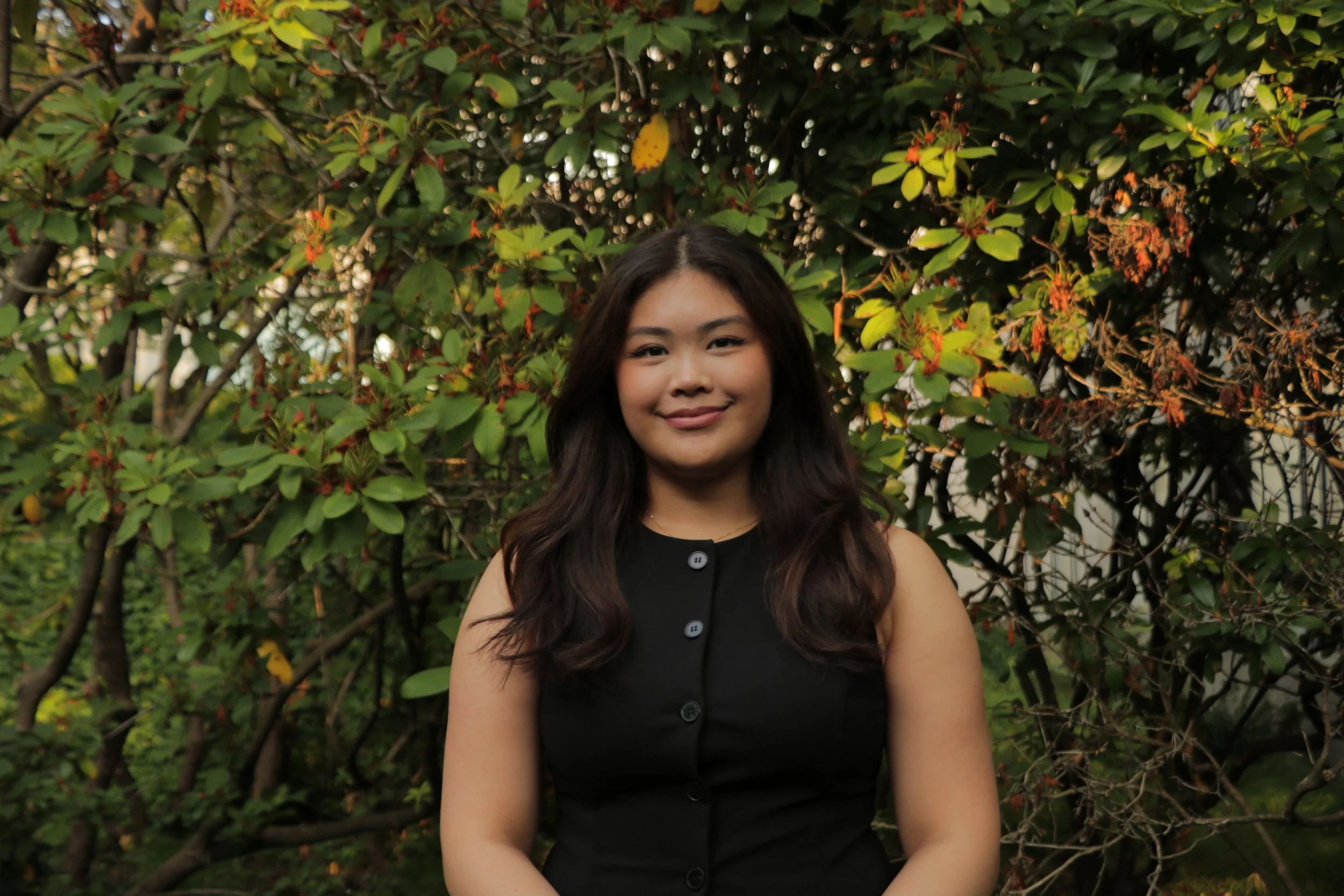
Cheska Mercurio is nearing her final semesters at Simon Fraser University, completing a degree in Communication with a minor in Business. Cheska specializes in digital marketing/content creation and utilizing editing software, and she has been a part of several clubs throughout her time at SFU. She prioritizes building and maintaining friendships, both professional and recreational, and hopes to continue doing so post-graduation!
Co-op experience:
SFU Communications & Marketing (C&M) - Communications Assistant
SFU Beedie Office of International Programs - Marketing and Communications Program Assistant
1. Can you tell us about your co-op experience?
I have completed two co-op terms at SFU, one for SFU’s Communications and Marketing team as well as one for SFU Beedie’s Office of International Programs.
CO-OP 1: I began my first co-op in the summer of 2024, and it was an assistant position which handled the Marketing and Communication content for SFU as a broad organization. I originally applied with very little experience, and the position exceeded my expectations when it came to both workload and content reach. This job involved the creation of content for prospective students, current students, alumni, and faculty. Responsibilities of this role included both content creation and administration work, which made each day on the job look different! There were weekly meetings to discuss content, which I would then allocate to certain days to ensure content was distributed on a regular basis. Realizing that the content I produced was being received well felt encouraging, and the management always provided such helpful and constructive feedback; overall, the team felt incredibly supportive.
CO-OP 2: I completed my second co-op last semester, Fall 2025, when I worked as a Marketing and Communications Programs Assistant for the Office of International Programs at SFU Beedie. This job managed the social media aspects of this Beedie program, which included: uploading twice a week, managing campaigns, creating posters, and developing other content for the study-abroad programs. This co-op taught me many skills surrounding the creation of physical media, working with technical programs, and working within a smaller group to create enticing social media content. This position helped me expand my experience in leading and developing marketing schemes, ultimately allowing me to showcase my marketing expertise. This position relied heavily on utilizing time management skills in order to plan and manage the release of social media content in a professional setting.
This freedom to create and develop content helped me develop time management skills which have benefitted me throughout my education, and will translate into future professional environments. In fact, both positions taught me many practical skills which forced me to move out of my comfort zone to pitch myself in order to expand my marketing skills, teaching me to consider the overall impacts of smaller details from a professional view. Before starting these co-op’s, I would not have considered myself a social person who enjoyed networking with strangers, but my time in these positions helped me learn skills on how to pitch myself and find comfort in the uncomfortable moments. Learning how to create enticing content and ask for help when I needed it allowed me to become more comfortable networking in a professional environment.
2. Could you highlight some of the major accomplishments you’d like to share from your co-op experience(s)?
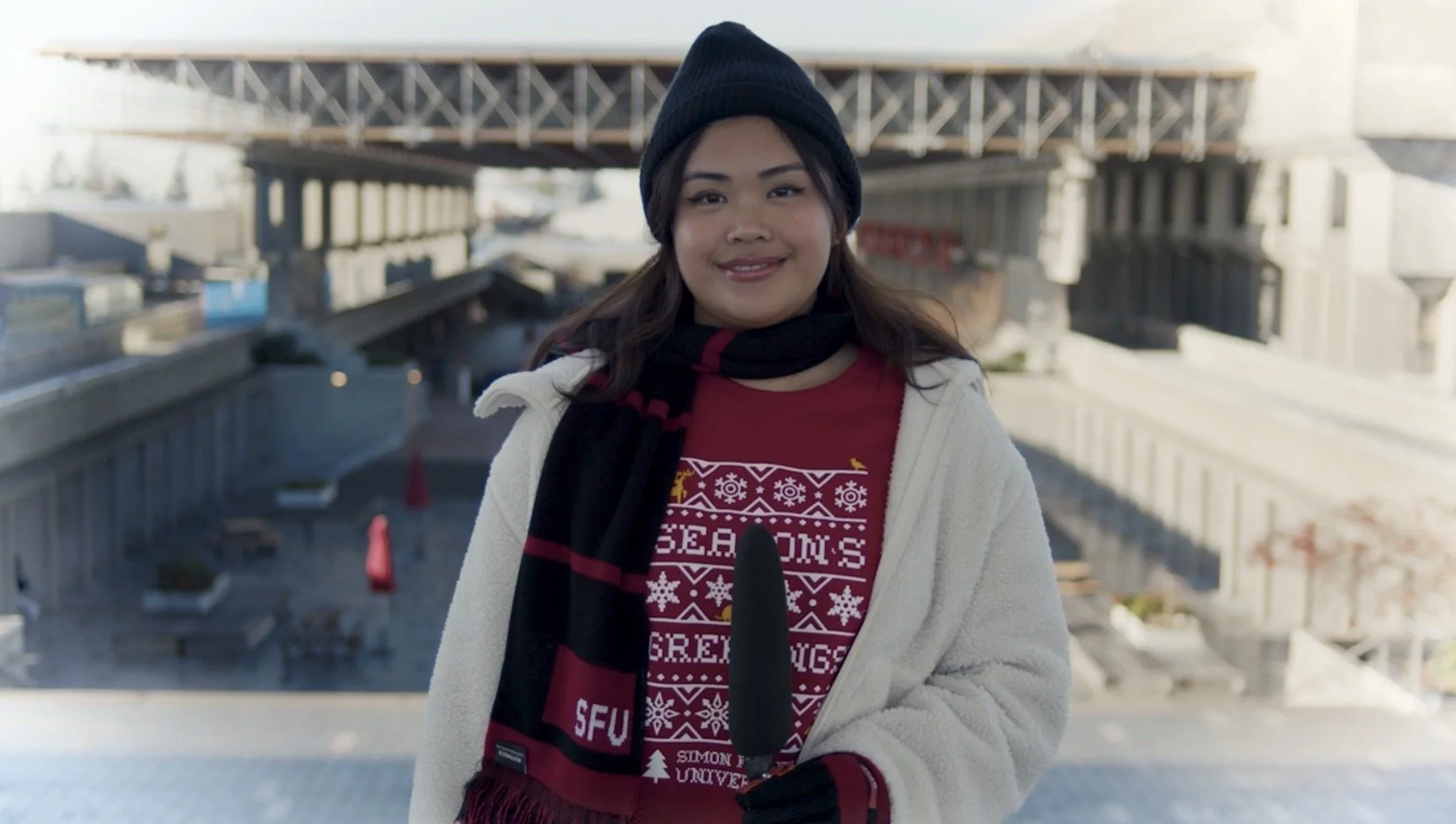
There were many accomplishments I could share from my co-op placements, mainly surrounding the amount of portfolio-ready content I was able to produce. Specifically, I was able to develop trendy content like SFU’s “spotify wrapped” or SFU’s 2024 “winter message” campaign, that I helped film and star in, which was eventually sent to all SFU students. This project gave me access to production materials I typically would not have had access to, and forced me to go out of my comfort zone to collaborate with SFU film and photography students. With this project, I was also able to gain transferable skills, like obtaining individual consent, which are involved in the processes of creating and publishing promotional content on a daily basis.
3. What was the most unexpected aspect of your experience in co-op?
I would say that the workload was an unexpected aspect of the co-op experience for me, likely because I had never been in a professional environment like this prior to my first co-op. Learning to grow and adapt in my role provided me with many professional skills that I will be able to carry forward post-graduation, but it was still quite a shock at the beginning. Another aspect of my co-op positions which I had to adjust to was the personal social media exposure. I have always been told to keep my personal life private, and to beware of the social media content I share with the world, so having my job revolve around broadcasting myself on the internet was quite the adjustment. The teams I worked with for my co-op’s were incredibly supportive and were always providing feedback which helped me feel comfortable in my workplace. So although the initial adjustment was new, I was able to set up boundaries and learn skills to make the process of developing content for thousands of viewers sustainable and comfortable.
4. Any insights/key takeaways you learned through these working experiences?
My advice would be to “never say no” (in a cautious sense). In other words, never underestimate yourself or how much you think you can do, and never limit yourself based on these beliefs! There are so many projects and experiences that you will be exposed to during your cop-op, and limiting yourself only limits your growth in a professional setting. Although it may seem intimidating at first, the only way you can grow is by stepping out of your comfort zone (within reason of course).
5. What was a challenge you faced during your Co-op experience that you overcame and what did it teach you (about yourself or working professionally in the communications industry)?
Throughout my co-op terms, I found it difficult to say no when I was allotted tasks, and I would find myself taking on large amounts of work that I could not always complete on my own. Although I do agree with the “never say no” approach, I also suggest altering it to suit your own workload and abilities. Implementing that approach is a way to find your own limits and develop realistic boundaries surrounding your weekly tasks. After analyzing what felt difficult for me, I was able to manage the completion of tasks in a logical, reliable way.
6. How did your co-op or internship experiences contribute to your skill development & current career paths?
My co-op experience was so rewarding and helpful in my journey towards figuring out what I would like to do post-graduation. Growing in my marketing jobs showed me that digital marketing positions might be what I am interested in. This experience provided a great foundation of things I have been able to achieve, and leaves room for further development in a professional environment. It also opened up different avenues of Communication, showing me how it translates specifically to a corporate environment rather than just the broad study of Communication.
Prior to my co-op, I didn’t have any secure plans for what I wanted to do within the field of Communication, but I left my placements with more confidence in myself and my abilities to excel in marketing and content creation! I gained the confidence to market myself and show why I stand out, which might not have been possible without this professional experience. Overall, my experience has helped me understand what it is like to work in Communication, and strengthened my confidence in continuing on my professional journey in this field.
Job/co-op search:
1. What was your job hunting experience like for co-op?
In my first round of searching for co-op positions, I applied to approximately seven jobs through the MyExperience portal, and I ended up hearing back from a few of the places I applied. The first, and only, interview that I attended during this hiring cycle was for the Marketing and Communication position. I ended up being given the position shortly after and the initial process was quite simple.
The search for my second co-op was not quite as simple, but ended up being just as fruitful. I ended up applying to approximately double the amount of positions, and responses were not as quick. After hearing back from SFU Beedie’s study abroad program, I completed a few rounds of interviews and received my acceptance not long after! Searching for a job can be tedious, but the results are completely worth it in the end.
2. What strategies did you find most helpful during your job search?
I used MyExperience to find both of my co-op opportunities, and the strategy I found most helpful was constant application. Whether it was adjusting my resume and highlighting skills based on which job I was hoping for or simply applying to multiple jobs, putting effort into your search makes all the difference!
3. Any advice for a strong application package/interviews?
I would say that personality and individual uniqueness is quite important in the interview process. While having experience and a large resume can be nice, I would argue that individual personality and team-oriented mindsets are just as important during the hiring process. I helped with the hiring process as I was leaving, helping interview the person who was taking over for me, and a standout characteristic I had noticed was a willingness to work with others and enthusiasm surrounding the position.
Tips:
1. What activities/involvement outside academic aspects do you feel were helpful in securing co-op/FT positions?
My engagement with clubs and volunteer experience were definitely helpful in securing my co-op position. For example, I was a part of the Student Marketing Association (SMA) and was often developing social media content, which provided useful examples to employers of the skills I have and the work I can create. I found that hands-on experience which left me with examples of previous content was most helpful for securing my co-op positions.
2. Did you deal with any rejection across your co-op journey? If so, what advice would you give to help overcome it?
I would say that there was constant “rejection” in the form of constructive criticism across my co-op journey. At first this criticism made me feel unsure about the work I was producing but I quickly realized that no one is spared from constructive criticism. In a professional environment, this constructive criticism helped me understand what type of content was expected from me and how I can utilize my skills to the best of their ability. Constructive criticism is completely normal, and is especially helpful when it comes to such a broad field like digital marketing. My main piece of advice is that you shouldn’t be afraid of feedback and if something doesn't work, that's okay!
3. What advice would you give to undergraduate students, primarily to those who are starting their university years?
I would say don't limit yourself, and try your best to stand out! At the beginning of my education I felt comfortable “flying under the radar” and participating as much, but nearing the end of my degree I have realized the importance of making your mark. Participating in your community, such as in SFU clubs, can be extremely helpful in building the skills needed to succeed in the co-op application process.
4. Any last comments?
Never lose your whimsy! Having fun during your application process and co-op work experience can make all the difference.
Check out some of Cheska’s Marketing accomplishments!