

How a Great Work of Fiction Could Leave You Covering the Natural Gas Bill.
Have you ever added something to your online cart by accident? A duplicate item or a random add-on, and then realized you’ve just paid for something you didn’t even want? Feels frustrating, right? Now, imagine this happening on a much bigger scale. Like when you're buying a new home.
What if I told you that this “something” you never thought you'd be paying for was wrapped into your bill on purpose?
In Greater Vancouver, a region known for its sky-high real estate prices, new “affordable” condos are popping up everywhere. Developers boast about sleek smart-home features, accessible “starter home” prices, and…gas stoves. Wait, gas stoves? In the age of climate-conscious buyers and energy-efficient homes, what is this outdated relic of the past doing here?
It’s not enough that these appliances are being sold to you as a symbol of luxury and modern living. They’re also making you pay big bucks for their lies. You see, you're not just buying a home; you’re buying into a carefully crafted narrative that is harming both your wallet and our planet and the natural gas industry is making sure of it.
The Hidden Agenda: Gas Stoves Aren’t Just for Cooking
At first glance, a gas stove in a brand-new condo might seem like a luxury feature. A little something to elevate your culinary experience. But look closer, and you’ll see this is no accident. It's part of a strategic plan by the natural gas industry to keep you locked into using fossil fuels, even as more and more people are trying to live sustainably.
While you're dreaming of your perfect kitchen, natural gas companies are quietly working behind the scenes, ensuring that your new home is pre-wired for gas. How? You may ask. By making deals with the developers of your future home. Gas companies were found giving “incentives” or “rebates” for developers to install gas into their real estate projects. A win-win for those that aren’t the ones living in these homes. By doing so, you don’t really have a choice in the matter. Gas appliances are being embedded into your future homebefore you even have a say. And by the time you’re unpacking, it’s already there, marketed as a premium, a must-have feature.
Why? Because gas companies know that most people don’t question aesthetics when they’re shelling out millions for a new place to live. They count on you getting swept up in the excitement of owning a new home, leaving behind the pesky concerns about whether or not you’re actually contributing to climate change.
The Contradiction: Gas as “Clean Energy”
Here’s where it gets even more frustrating. Natural gas is not clean. Sure, they market it that way. Companies like FortisBC rebrand themselves as “clean energy providers” by pushing renewable natural gas (RNG). But don’t be fooled. RNG still makes up a tiny fraction of their supply, and even if it were scaled up, it wouldn’t change the fact that gas is still a fossil fuel.
Gas is 80 times more planet-warming than carbon dioxide, and homes with gas appliances pollute the air indoors—even when the stove isn’t in use, putting you and your family at risk for respiratory health issues. But the natural gas industry isn’t here to warn you about these risks. Instead, they’re working hard to make sure the gas stove feels like a part of the dream.
The Illusion of Choice: Who Decides What Goes in Your Home?

So, what’s really happening here? It’s not just a marketing ploy; it’s a manipulation. Natural gas companies have mastered the art of shaping your perception. By working through developers instead of engaging you directly, they avoid the tricky conversations about environmental risks. They don’t need to explain the science when they’ve already sold you on the lifestyle. They don’t show you the research that proves how dangerous gas stoves can be for your health and the environment. Instead, they show you a shiny new home with sleek appliances and promise of a more luxurious life. Because they know how coveted a home is to people.
And here’s the kicker: In a market where affordability is already out of reach for many buyers, most people don’t even realize this choice was taken from them. It’s not a matter of preference anymore, it’s a matter of what’s already been installed by developers. You’re left with the illusion of choice, but in reality, it was never up to you.
This is where the narrative around natural gas becomes so dangerous. The gas companies have focused on selling a feeling: comfort, choice, warmth. They’re appealing to the emotional side of your brain, not the rational, data-driven side. And it works. It works because it taps into a sense of control, comfort, and aspiration. It feels good, which is exactly what makes it so effective.
The Science vs. The Story
It’s not that we don’t know the risks of natural gas. We do. Research shows that it’s bad for the planet, bad for your health, and just plain outdated. But here’s the problem: the natural gas industry is telling a much more compelling story. And let’s face it, people make decisions based on emotions, not just data.
While scientists present graphs, emissions data, and facts about climate change, the fossil fuel industry is offering you something much more alluring: a vision of your ideal home. Their narrative about luxury, comfort, and sustainability drowns out the inconvenient truth of what natural gas really costs.
This disconnect between science and storytelling is exactly why we’re still seeing gas stoves in new homes, despite everything we know about their harmful effects. The gas industry isn’t just ignoring the science, they’re sidestepping it entirely by telling you a story that feels true, even when it isn’t.
Changing the Narrative
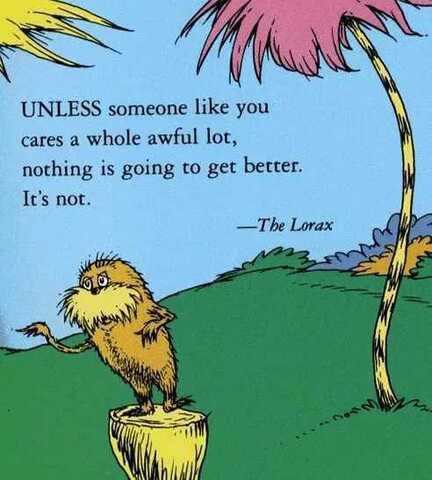
So, what can we do? I mean, if my only chance at owning a home means I have to put up with a gas stove, I might bite. Who wouldn’t?
But let’s take that choice back. We need to let developers know that we won’t just buy whatever they put on the table and we actually do have the ability to influence the choices developers make by going straight to the city with our concerns. If we can make clean housing the law, then developers have no choice but to build our future homes more sustainably. Emailing local representatives and attending city council meetings is one way to start. Websites like Dogwood, CleanBC and Greenpeace are great places to start when it comes to informing ourselves and taking the next step towards action and getting the city to hear our voices.
Climate change is a threat that’s already shaping our homes, our cities, and our lives. We need to make people feel that urgency, not just understand it.
For too long, the natural gas industry has been able to shape the narrative. But that can change. If we want to stop gas from being embedded into every new development, we need to tell a better, more emotionally compelling story. One that connects people’s values to the science behind the risks. We need to challenge the illusion of choice and demand real alternatives.
Because here’s the truth: At the end of the day, you’re not just buying a home. You’re buying into a story. And it’s time we started writing a new one.